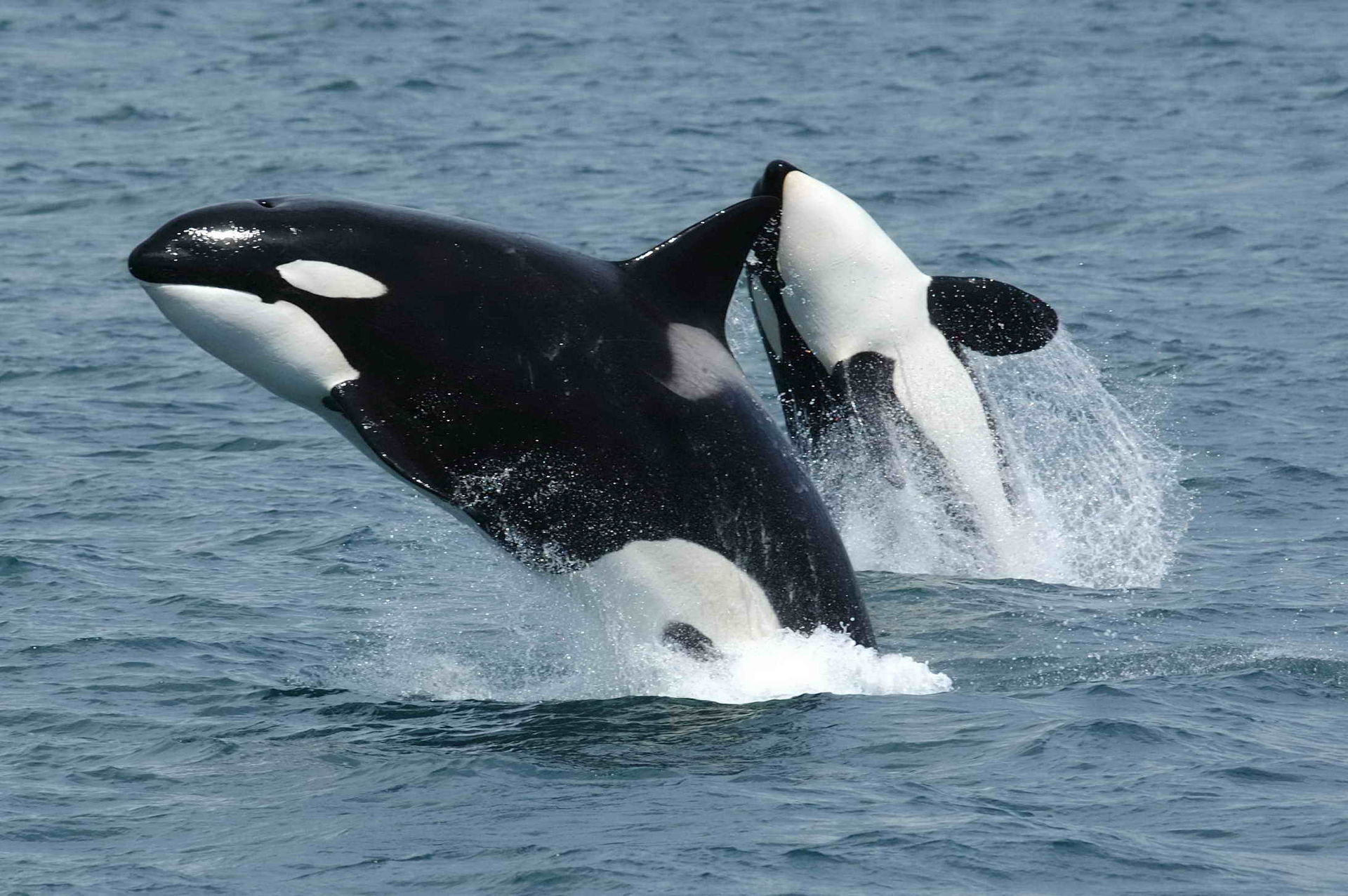
Dolphins and Porpoises
3 animalsDolphins and Porpoises brings together 3 animals from the ocean life collection, including Orca, Common Bottlenose Dolphin, Vaquita. These profiles offer a closer look at familiar faces and some less familiar relatives. Common names are a helpful starting point, while scientific names make it easier to distinguish species that look alike. A shared category can include animals with very different lives, so the details on each profile matter more than a single label.
The recorded ranges represented here include All oceans, Tropical and temperate oceans, Northern Gulf of California, Mexico. Diets in the collection include carnivore; carnivore (fish and squid); fish and squid. Habitat and food are closely connected: an animal needs both a suitable place to live and access to the resources it uses. Broad regional labels do not describe every local population, and a conservation category is not a live count of animals. The sources linked on individual profiles help put those details in context.
Every profile pairs photographs with the information available for that animal. Size and lifespan are shown as ranges where recorded, because age, sex, population and living conditions can make a difference. A missing figure is better than a confident guess. Closely related animals can be interesting to compare, but the largest or fastest member is only one part of the story. The quieter details, from social behavior to habitat, often explain much more about how an animal lives.
Latest profile import:


Frequently asked questions
Which animals are included in Dolphins and Porpoises?
Dolphins and Porpoises includes 3 profiles in The Wild Index, including Orca, Common Bottlenose Dolphin, Vaquita. This collection is a selection, not a complete census of every species or breed.
Are all dolphins and porpoises endangered?
Conservation status differs between species. The profiles in this collection have recorded statuses including Data Deficient, Least Concern, Critically Endangered. Check the linked IUCN assessments for their dates and scope.
Why do size and lifespan figures use ranges?
Size and lifespan can vary with sex, age, population and conditions. Ranges communicate that variation more honestly than a single precise number, and unavailable figures are left out.